At Cosmos-Web, employees regularly shared ideas for discussion, and the strongest concepts were brought to life as our own digital products. One of these ideas was a habit-building tracker. At the time, in 2007, the concept was put on hold — but in 2023, we returned to it to finally bring the vision to life as a mobile app for iOS and Android.
The team included a project lead, a manager, two mobile developers, a backend developer, a designer, and a QA engineer. DevOps specialists, a guest art director, and a communications expert also joined the project at various stages.
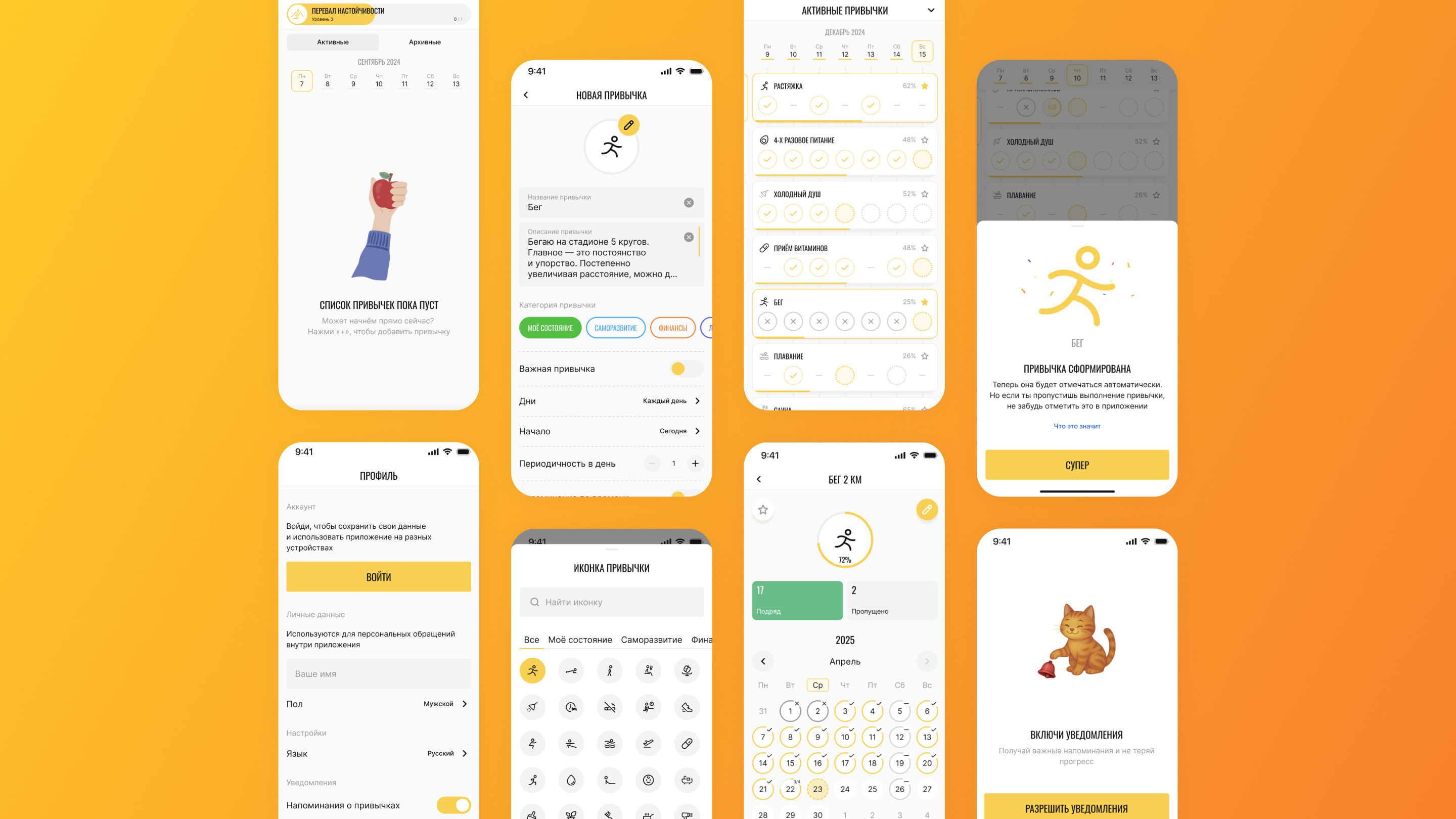
We added over 100 ready-made templates, so users can either choose an existing habit or create a custom one. After that, they can set how many times per day the habit should be completed and schedule reminder notifications.
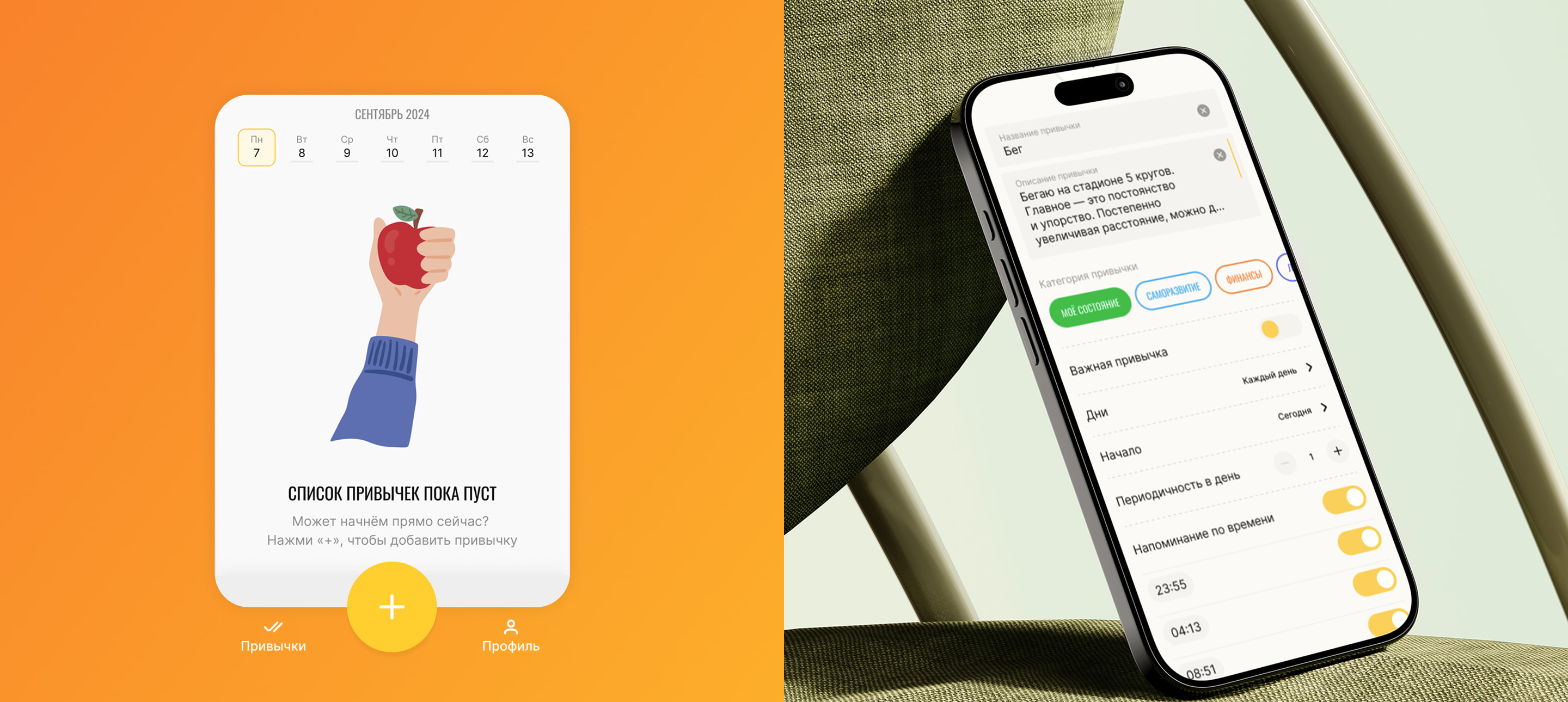
For example, you can choose the "Meditation" habit and decide to practice it twice a day — in the morning and in the evening. You simply set the reminder times.
From there, the goal is simple — build the habit. At the scheduled time, you receive a notification, complete the activity, and mark it as done in the app.
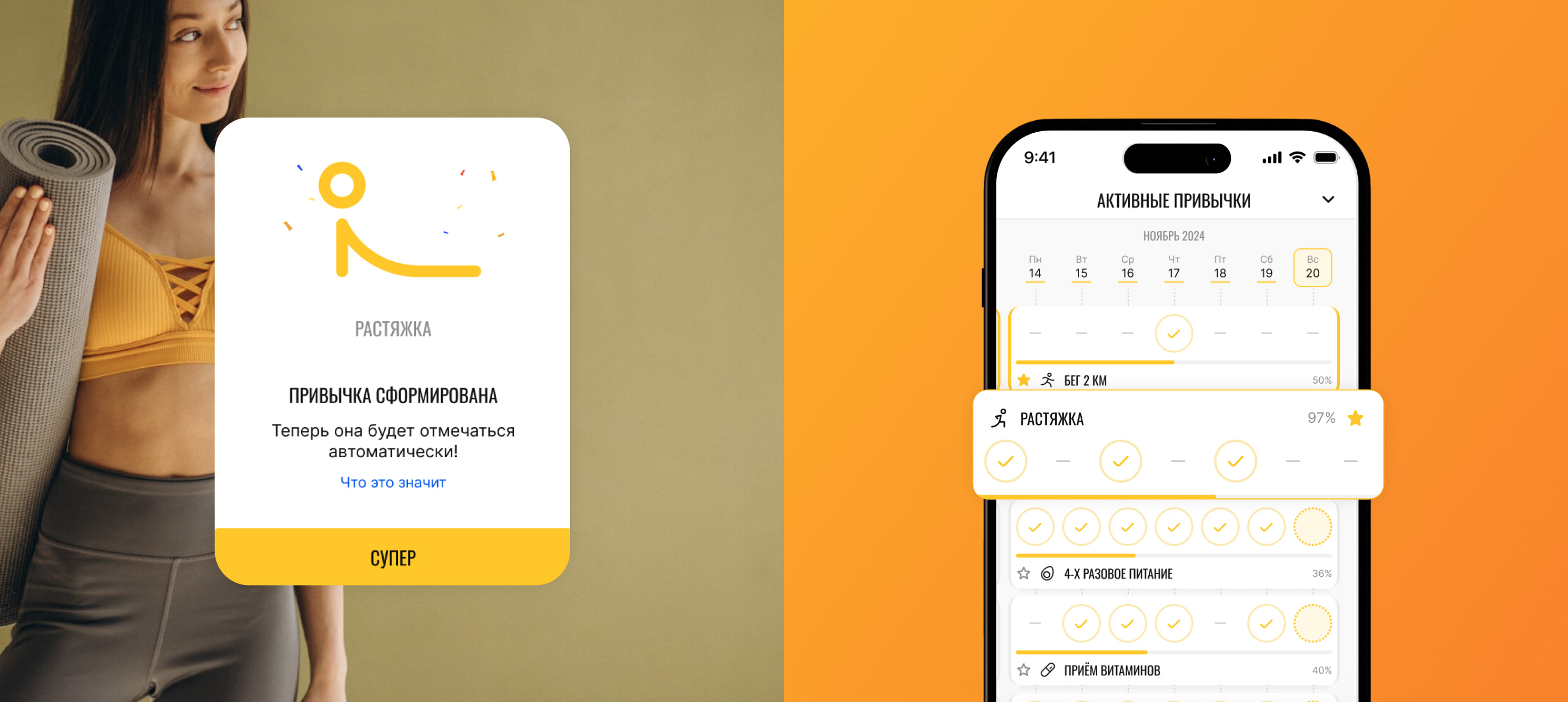
To make progress easy to understand, the development of each habit is displayed as a percentage. The user’s goal is to reach 100%, but achieving it takes consistency. For example, for a habit that needs to be completed once per day, 100% progress is reached after 30 consecutive days without a single miss.
If a habit is skipped, the progress percentage decreases — and it drops faster than it grows, potentially returning to zero. In case of accidental misses or incorrect check-ins, users can easily edit previous entries within a one-week window.
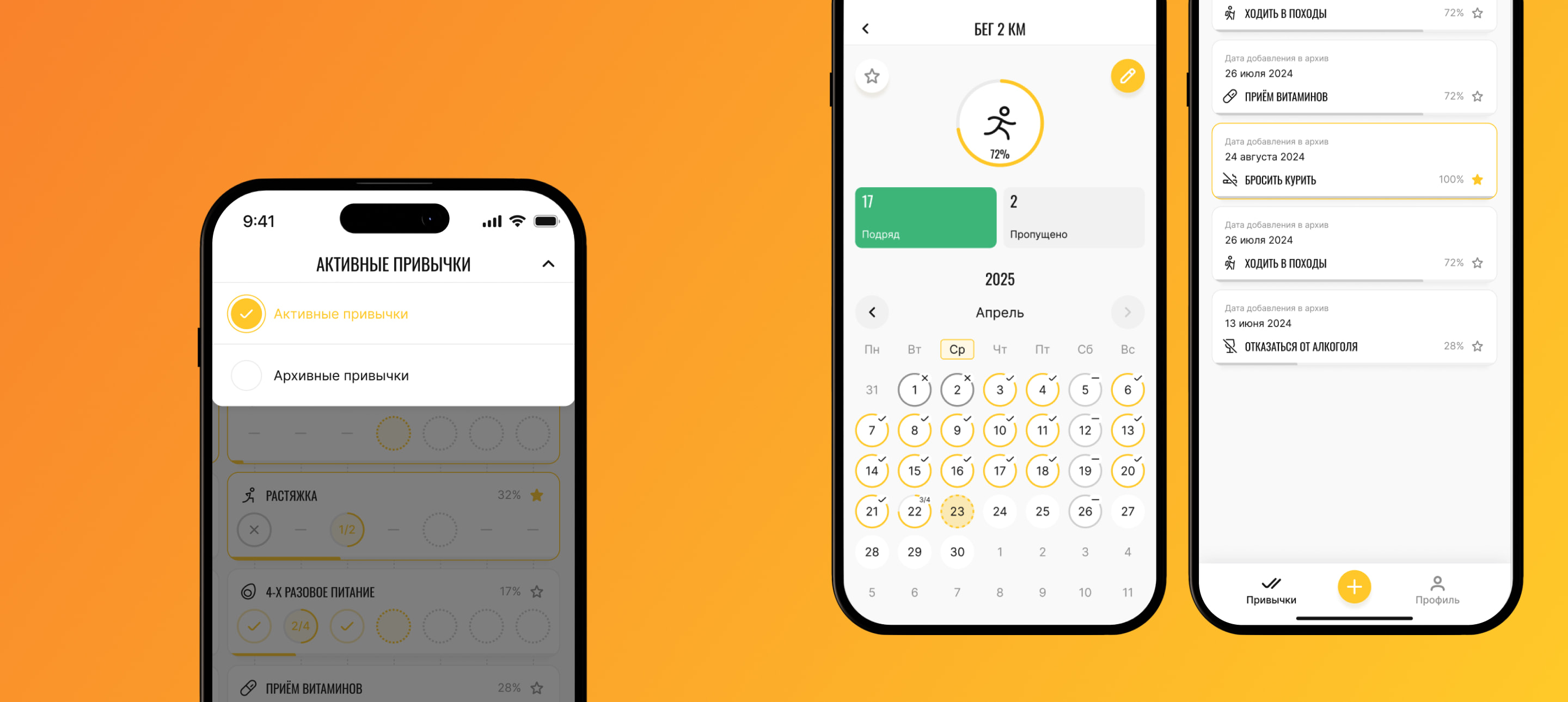
Once 100% progress is reached, the app congratulates the user on successfully forming the habit. From that point on, it is no longer mandatory to mark the habit as completed.
However, if the user later notices that they are starting to skip the habit, they can record these misses in the app. If three consecutive skips are logged, the progress level decreases, and the user needs to start checking in again to return to 100%.
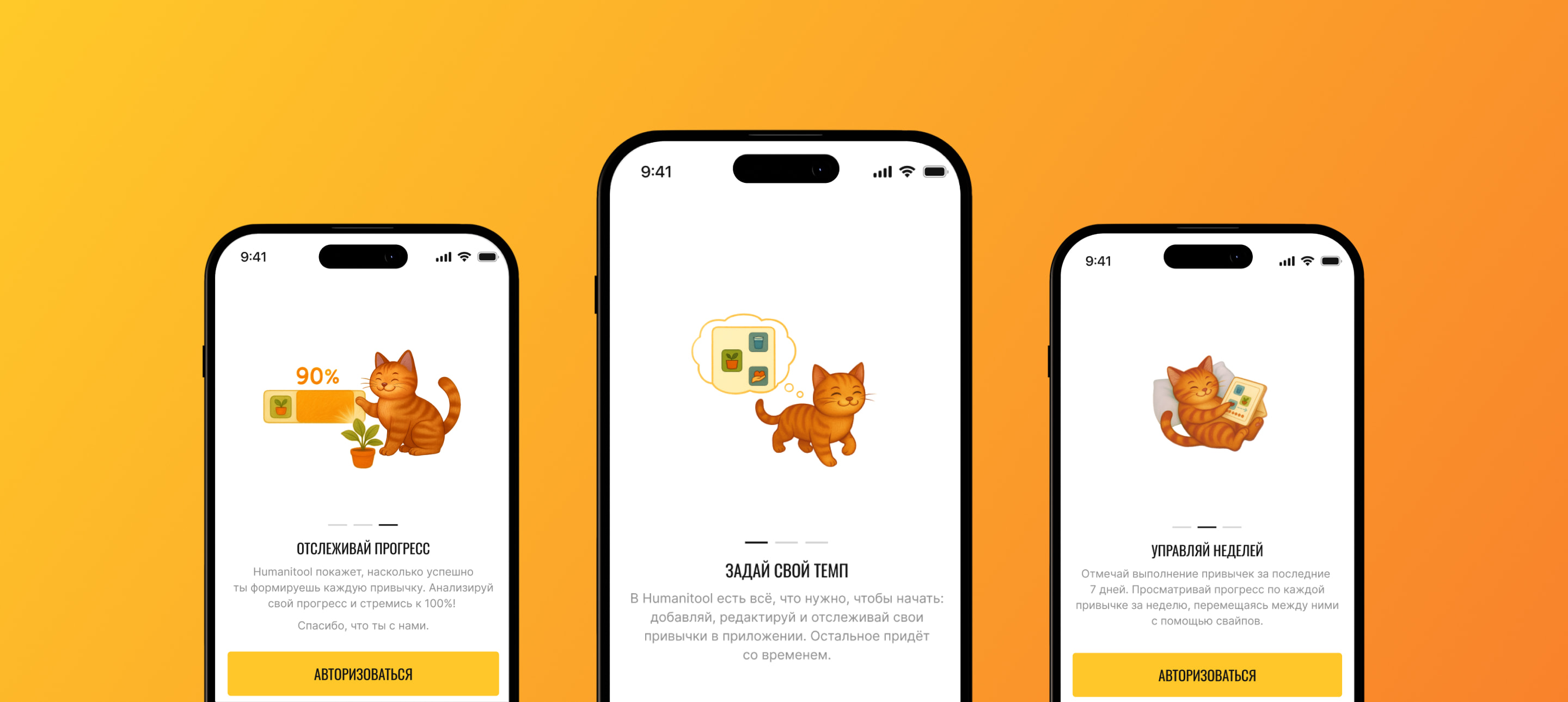
We also introduced a cute cat that guides users through creating their first habit. Our "MVP mascot" was generated using AI.
After the app is released to the stores, we roll out updates on a monthly basis — adding new valuable features, fixing bugs, and continuously improving usability.
Initially, we used Swift for Apple platforms and Kotlin for Android. Later, we decided that a multiplatform approach would be the optimal solution for scaling and long-term product development.

This pattern ensures a unidirectional data flow and strong resilience to state-related errors. The list of states is shown in the table below.
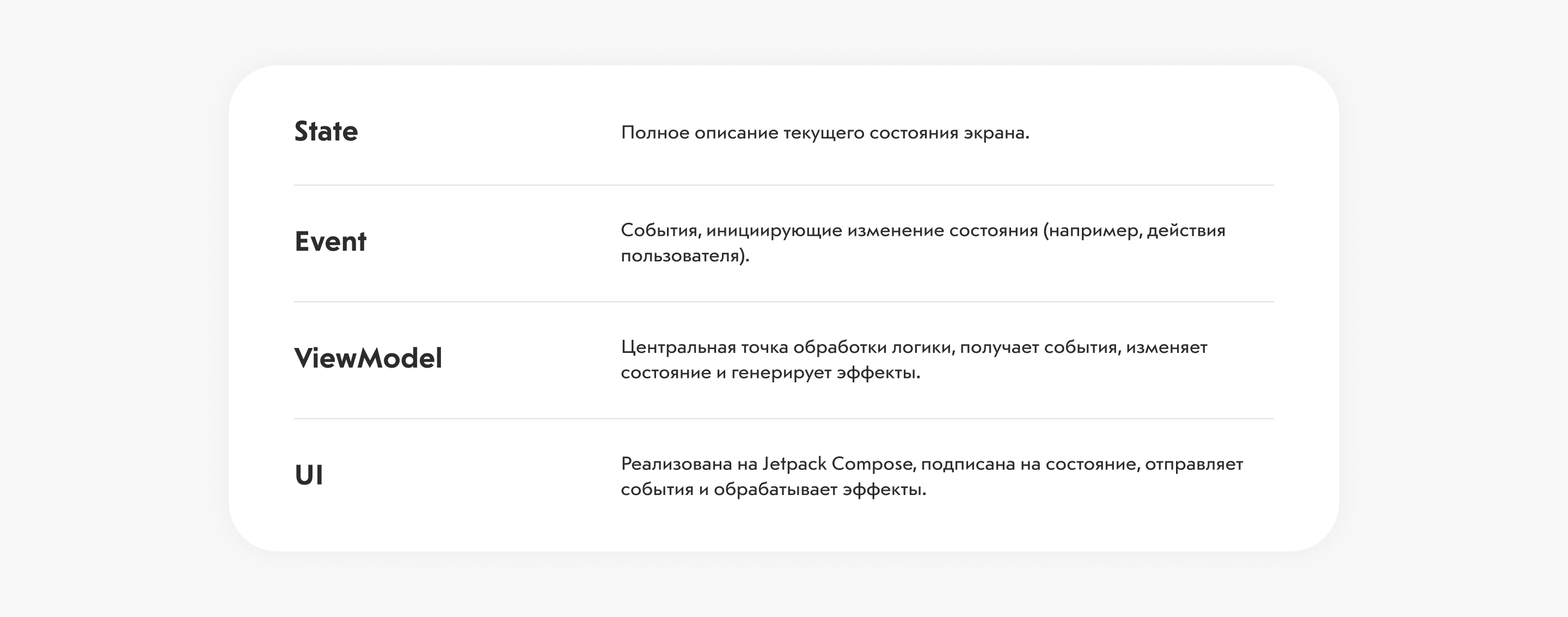
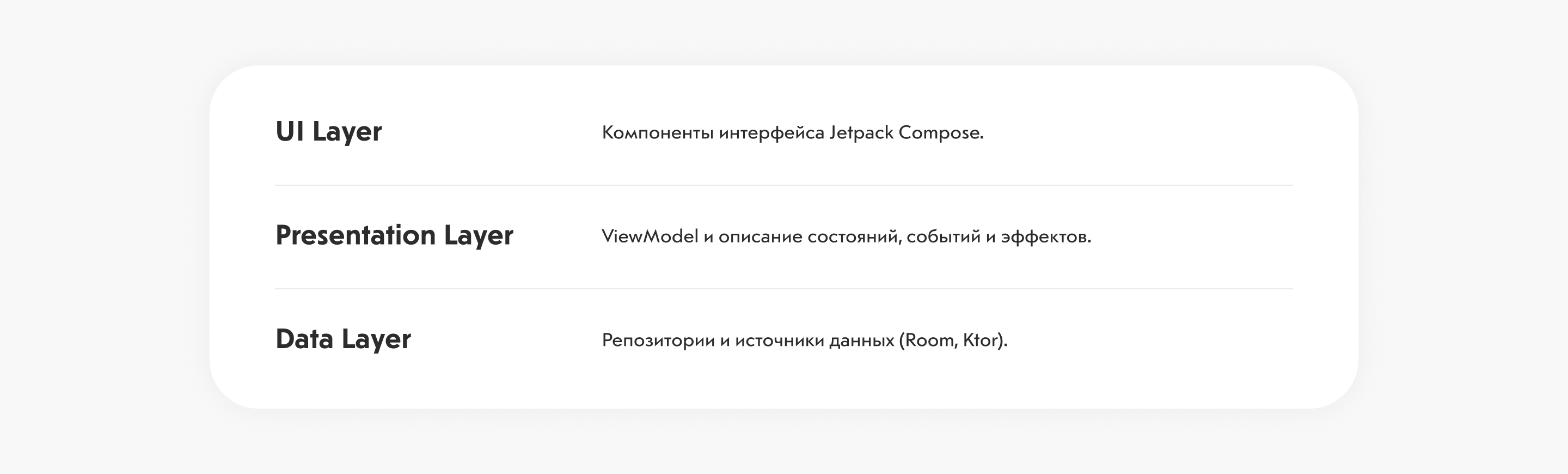
User data is stored locally in a Room (SQLite) database and is synchronized with the server when an internet connection is available.
The server-side of the Humanitool app is built in PHP using the Laravel framework. All business logic is organized into controllers grouped by areas of responsibility. Data exchange with the client is handled via a REST API.

- Firebase Cloud Messaging (FCM) — used to send push notifications to users.
- Voice Password — an external authentication service. When signing in with a phone number, users receive a phone call and enter the last four digits of the incoming number.
Database operations are handled via Eloquent ORM, which is part of the Laravel framework. The project also uses SQL views and custom data retrieval methods, depending on the specific context.
All application data is securely protected: the architecture is fully decoupled, communication with the backend is performed over HTTPS, and personal data is processed in compliance with security and privacy best practices.
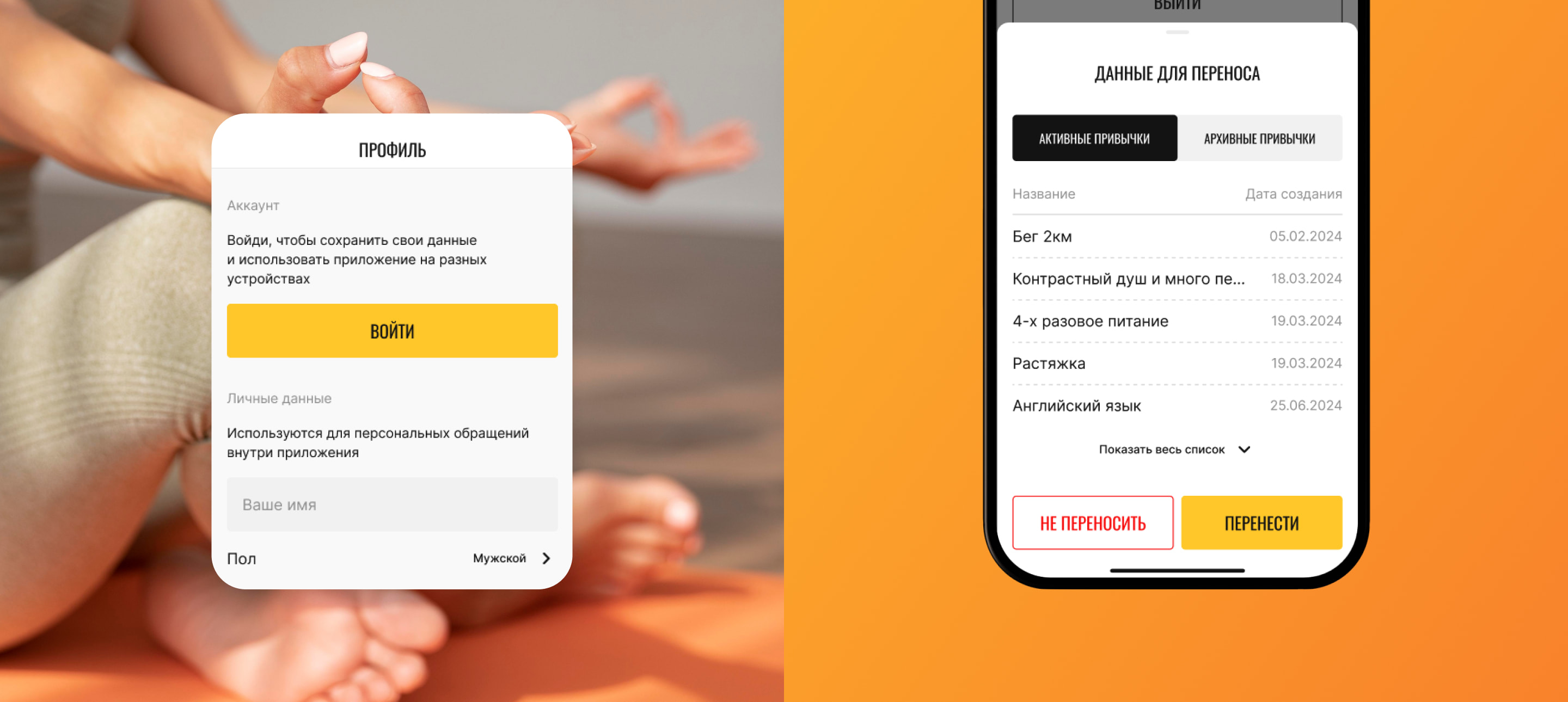
We are perfectionists — we built the product as if for ourselves and aimed for an ideal result. Each iteration required time, but it was worth it: the team is proud of the outcome, and the app continues to receive positive feedback from users.
We ruthlessly eliminate even the smallest friction points that users may encounter while using the app.
Participants actively use the app and share feedback and suggestions — some improvements are implemented immediately, while others are added to the backlog for future releases.
We have developed a monetization model, designed multiple pricing plans, and defined several premium access options. Premium-only features are being added to the app gradually.
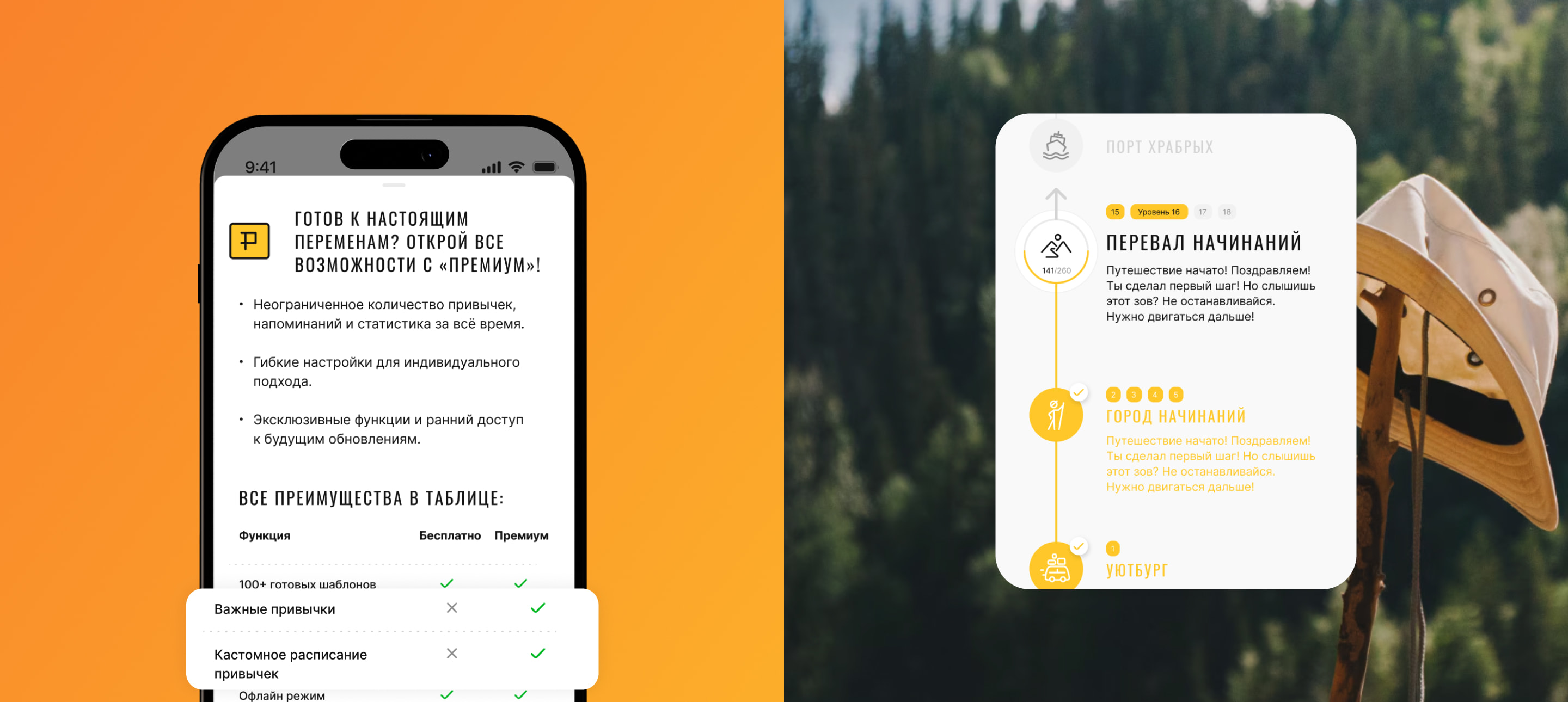
- Introduce account levels to add more gamification. Users will progress through 17 development levels.
- Add a "Vacation Mode", allowing users to pause habits without losing progress.
- Link habit categories to a visual personal development map and generate personalized tasks based on the habits users choose.
- Add social features, including inviting friends and completing shared challenges together.
- Introduce an AI-powered assistant chat to support users and guide them on their journey toward a better version of themselves.
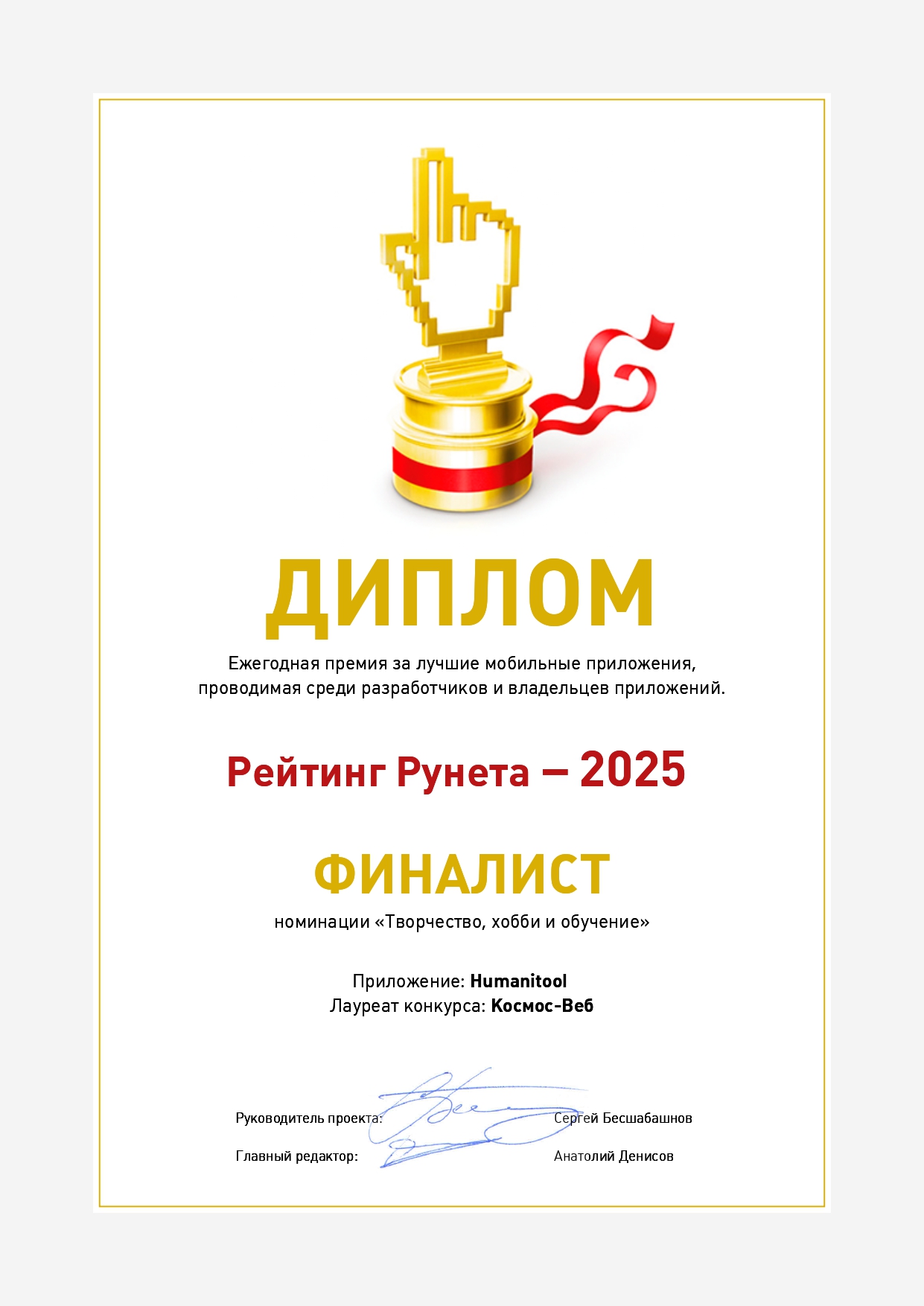
The project became a finalist of the Runet Rating Awards 2025 in the Creativity, Hobbies & Education category among mobile applications.

The project won a Bronze Medal at the Tagline Awards 2025 in the Best Mobile Utility category.